Reikitime — logo
Reikitime

Reikitime · The method and its lineage

Reiki.

The term

What is Reiki?

Reiki is a Japanese term represented by a single kanji, composed of two characters: rei and ki. In the West we usually write it as one word.

Rei

Something mysterious, miraculous and sacred.

Ki

Atmosphere, the invisible, the energy of the Universe.

The Japanese words 霊気 Reiki can be defined as the miraculous, sacred energy of the Universe that sustains all life. Reiki is the word Usui Sensei used to name the cosmic energy. In the Japanese language, "Reiki" is a common noun.

This cosmic energy has been named in many ways across different cultures since ancient times: Chi in China, Ki in Japan, Prana in India, Mana in Hawaii. It is the essential energy that allows all beings to live happily and healthily.
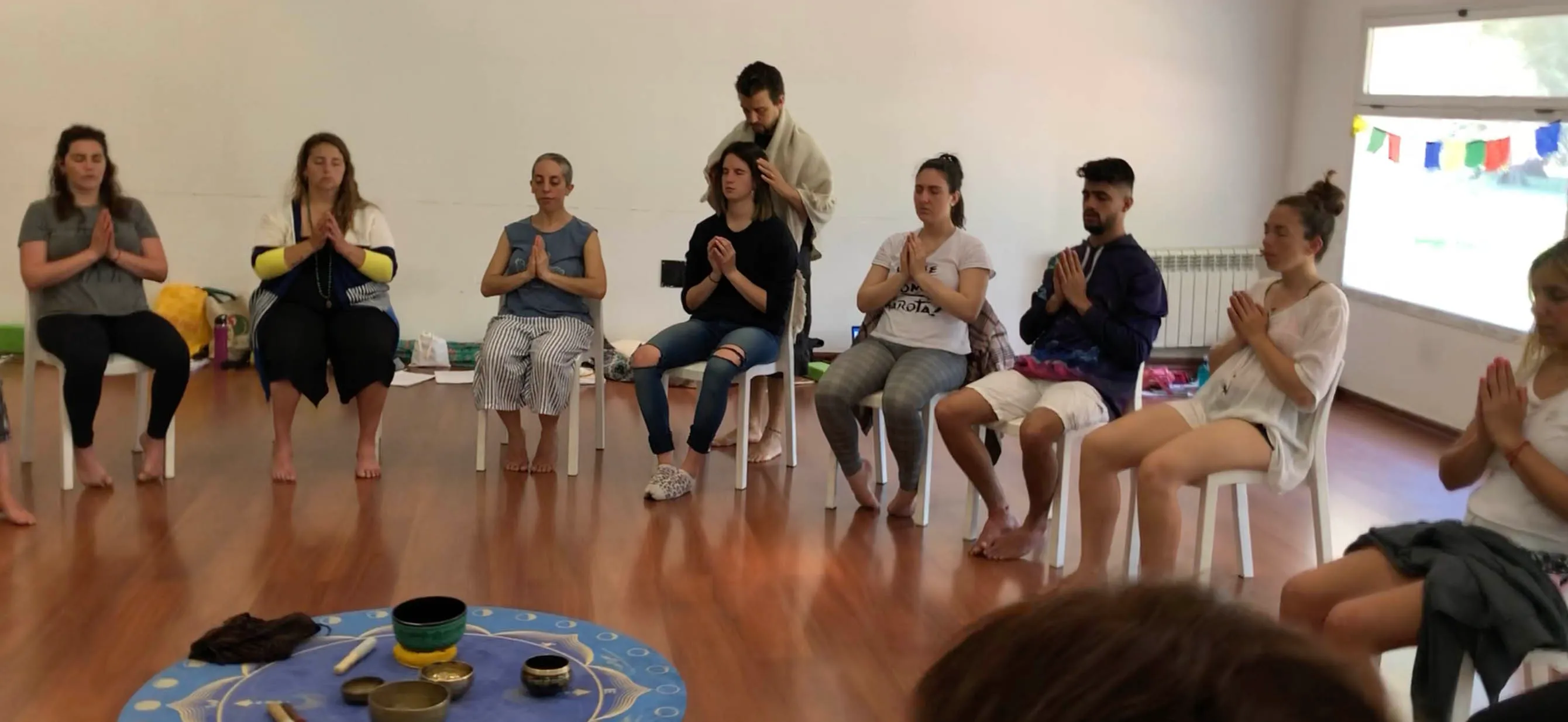
A group of practitioners receiving Reiki seated in a circle, supported by their peers during an initiation with Matías Mahia
Group initiation — attunement with the energy of Reiki.

The practice

What is the Reiki method?

Reiki Ryoho is a Japanese art. It has a therapeutic, healing aspect through the laying on of hands to improve mind and body, using the inexhaustible energy of the Universe. Easy to learn, simple to use.

The wonderful thing about the method is that anyone can be initiated into Reiki. Although it has a deeply sacred component, through a ritual or technique called Reiju —better known in the West as attunement or initiation— the connection with its lineage and tradition is instantaneous, and lasts a lifetime.
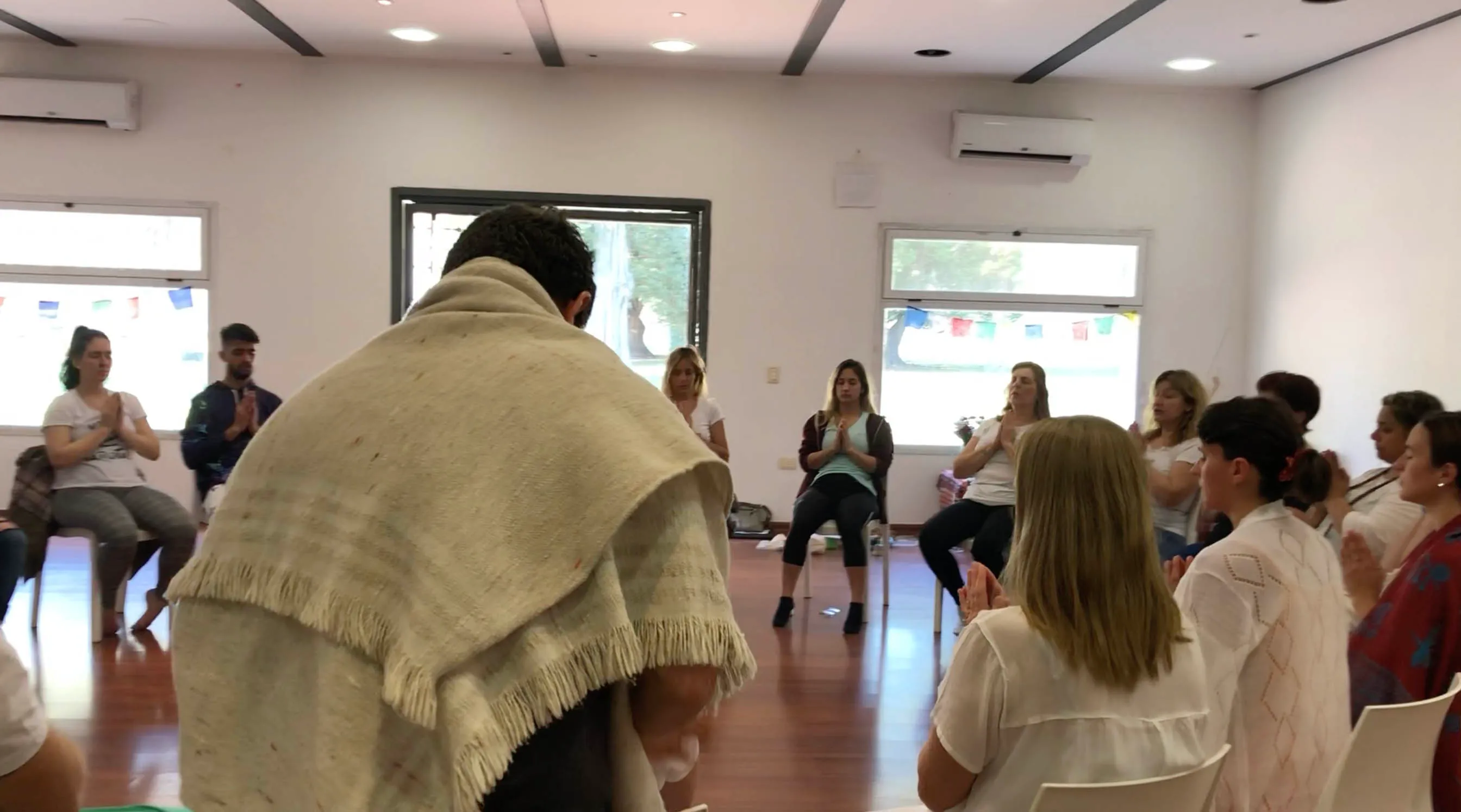
Matías Mahia giving a Reiki attunement to a group, covered with a traditional cloth during the Reiju ritual
Reiju — the attunement ritual with the lineage of Reiki.

The founder

Usui Mikao (1865–1926)

Usui Mikao is the founder of Reiki Ryoho. This dedicated Master reached realization and consciously awakened the ability to heal in 1922, at the age of 57, while fasting and meditating on Mount Kurama, in Kyoto, the ancient capital of Japan.

He set out to trace a path to follow, creating a method that systematizes the way of channeling the energy of the Universe. This arose from his own inspiration upon his realization on Mount Kurama, not as the result of research.

Usui Sensei believed that this wonderful gift of the ability to heal had to be shared with people, not kept for himself or his family. That is why he founded the Usui Reiki Ryoho Gakkai in Aoyama, Tokyo, in 1922.
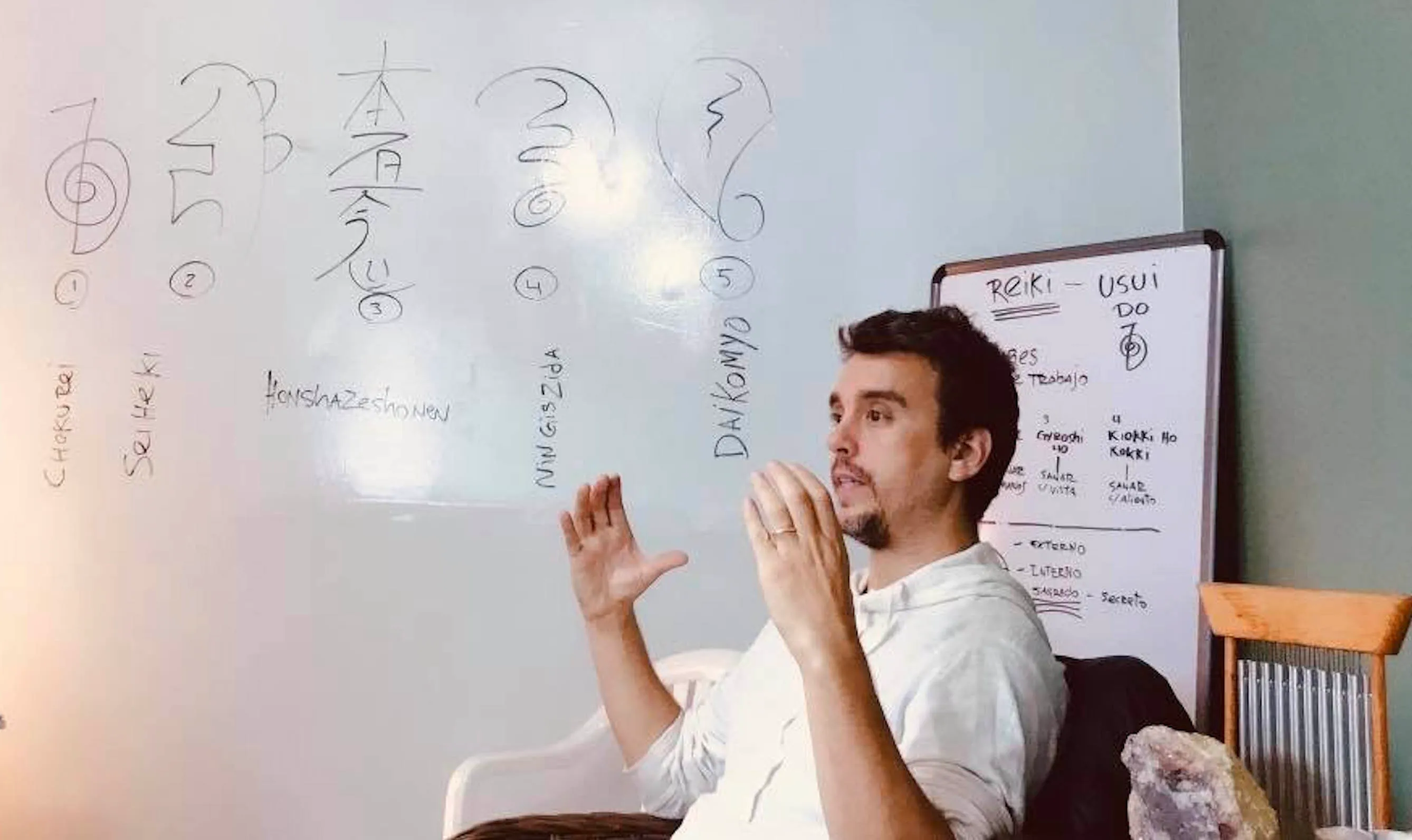
Matías Mahia teaching the symbols of Usui Reiki in a class, a board with the kanji and traditional names
Symbols of Usui Reiki — the tradition that reaches us today.

Living tradition

The lineage.

In Reiki, the lineage is the "family tree" of our tradition. The teachings pass from Sensei to Sensei, giving support, transparency and solidity to the practice of their disciples, and guiding them in the correct approach to the method. For those who have been initiated into Reiki, it is essential to learn the lineage of their teachers in order to know their own.

As already mentioned, Mikao Usui was the founder of Usui Reiki Ryoho and the one who shared the instructions of Usui Do. His disciples helped create a structure of practice, giving a framework to the resources, until culminating in what we know today as the Reiki method of natural harmonization. What is admirable is that his merits are so immense and his instruction so broad that it continues to evolve through time. He is the first link in the chain; his merits are our legacy and his teachings carry great importance within the framework of our personal work, since they form the foundation of the path we have chosen as our own.

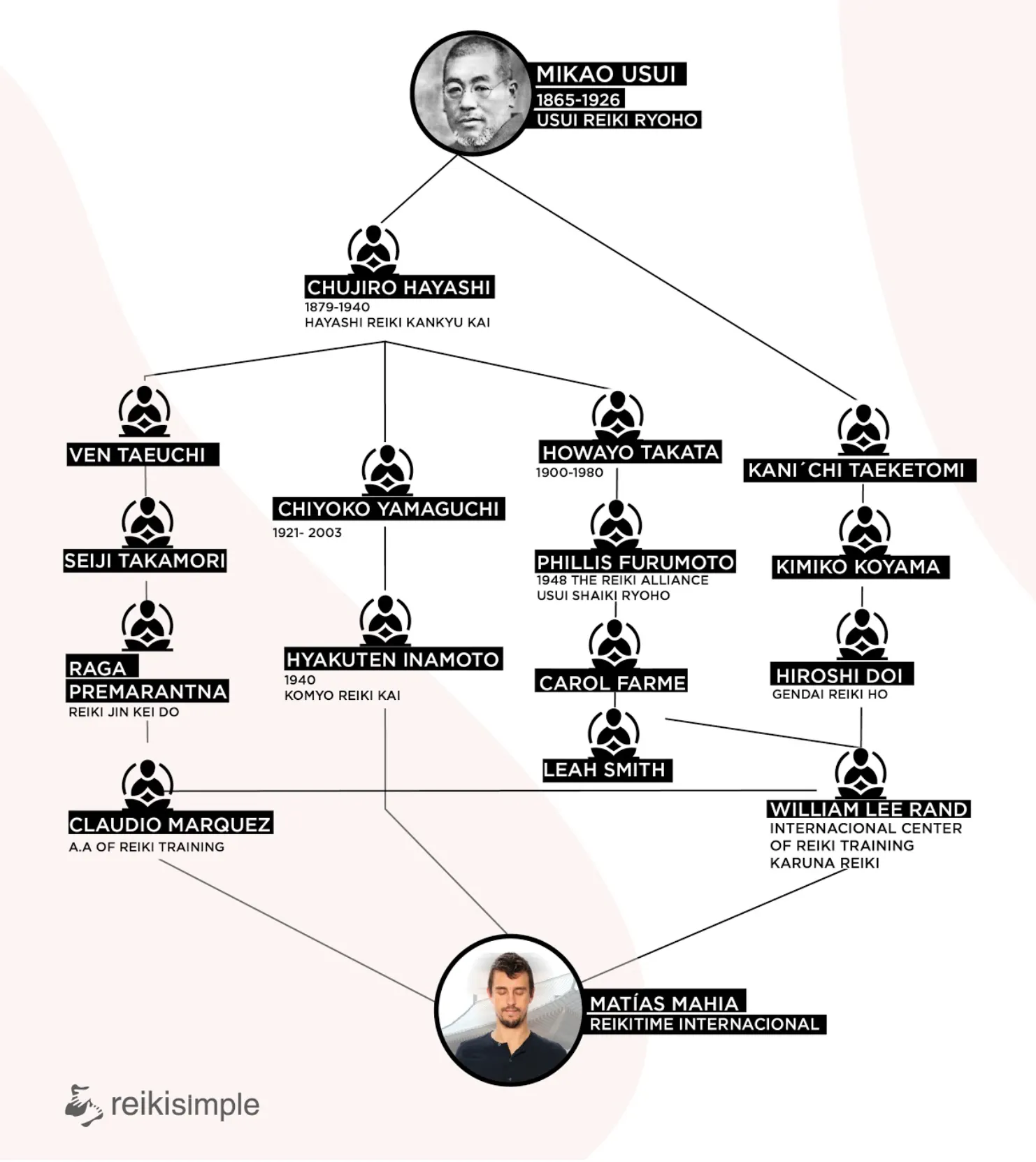
Genealogical chart

Reikitime lineage chart — from Mikao Usui to Matías Mahia

For those who are not yet familiar with this concept of lineage, this chart illustrates how our school's lineage is formed.

Those who have been initiated with us can do the exercise of placing their name below Matías Mahia, and see how their own lineage is formed. If you have not yet taken part in any in-person Reiki initiation, we invite you to look in your community for someone with the competencies to do it, and to ask them to share their lineage with you. That way you can become aware of the route by which this beautiful tradition has reached your life.

Remember that each one of us is a link in that chain. We are the branches of this family tree, an integral part of a tradition and, above all, heirs to a beautiful path of personal evolution.

Training with global references

Four teachers. Four living lineages.

At Reikitime International we keep training with references from different lineages. It is not curiosity: it is the only way to sustain the tradition without it diluting. Each one brings a branch of the same tree.

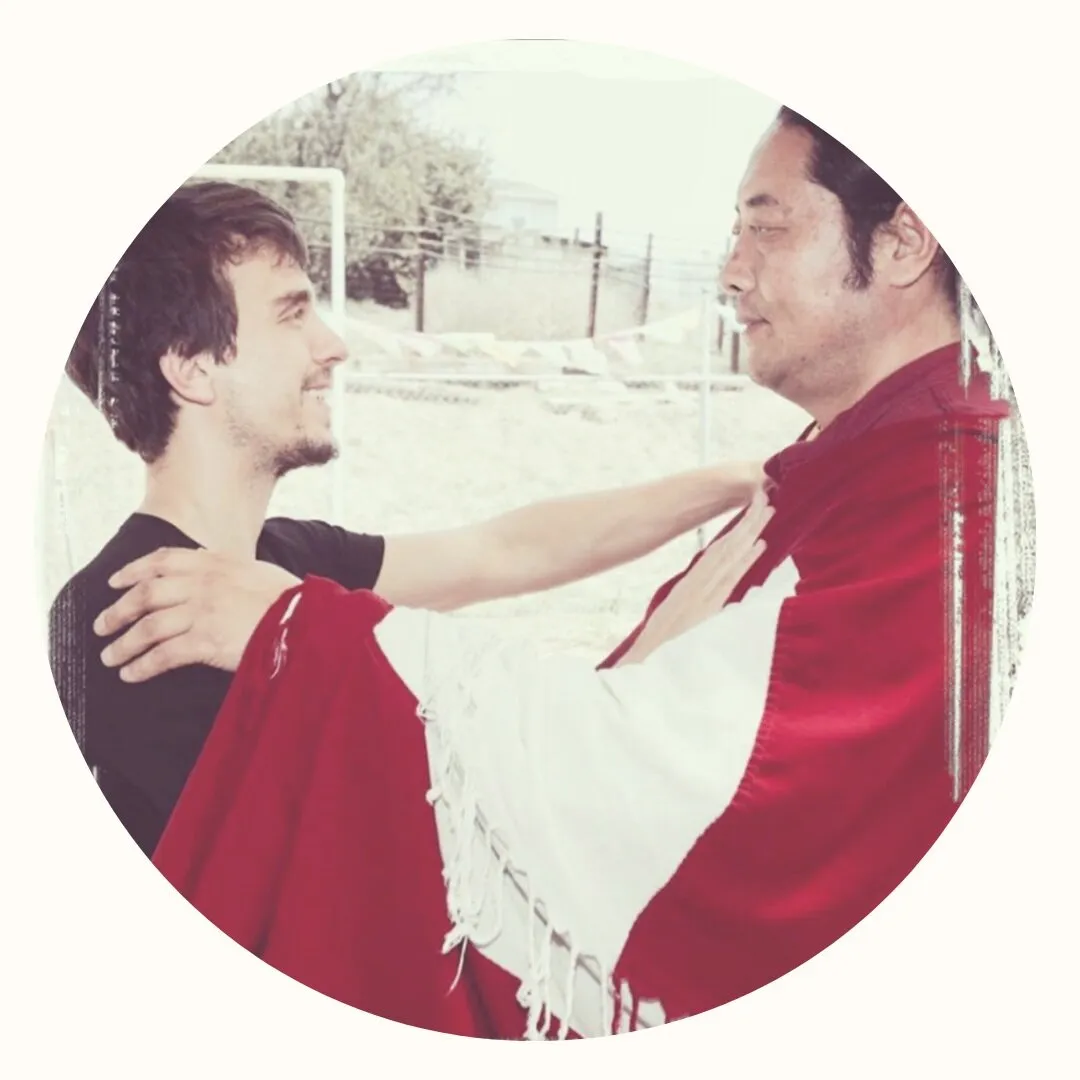
Lama Lhanang Rinpoche

Tibetan lineage

Lama Lhanang Rinpoche

Root Teacher · Tibetan Buddhist lineage.

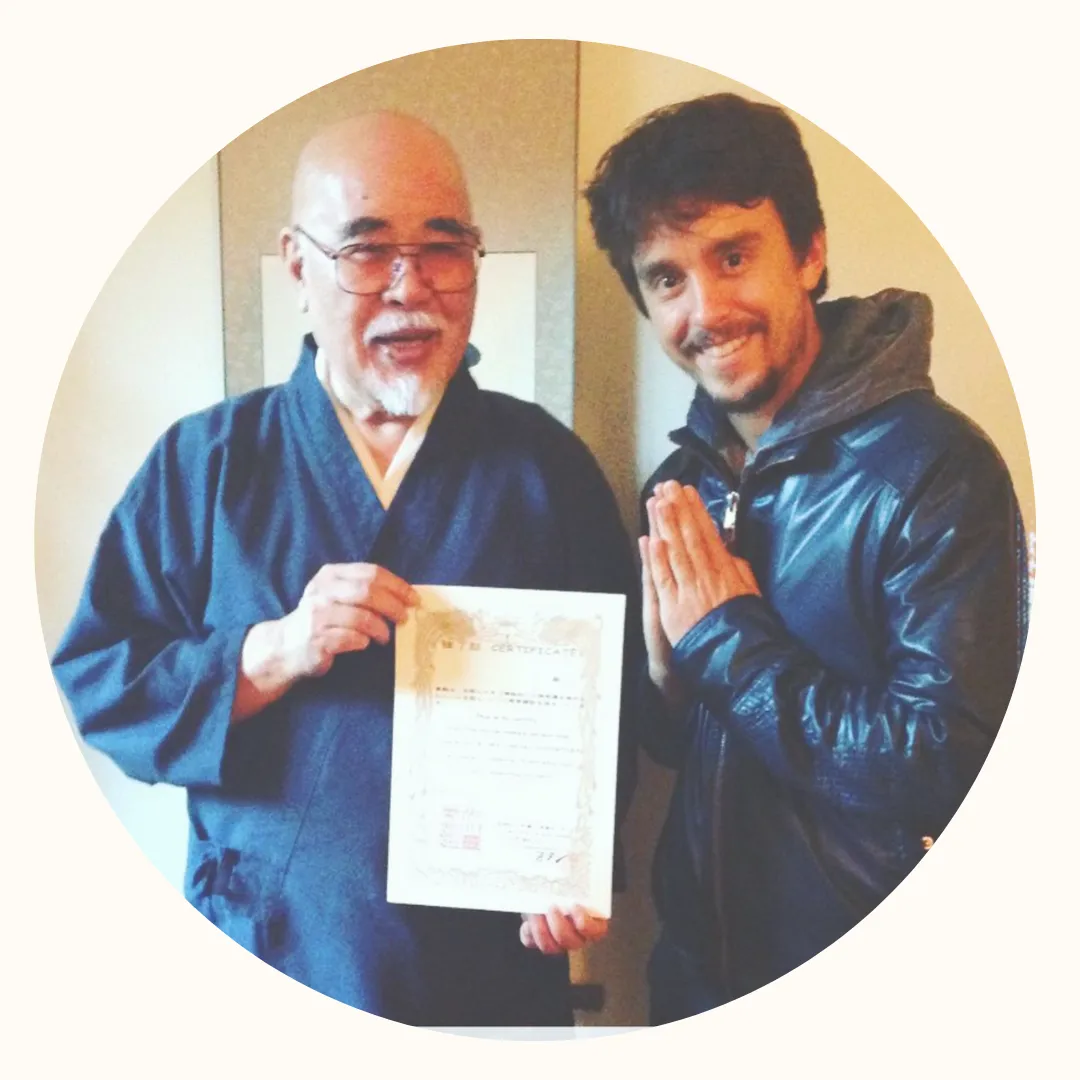
Sensei Hyakuten Inamoto

Japanese lineage

Sensei Hyakuten Inamoto

Direct Japanese lineage.

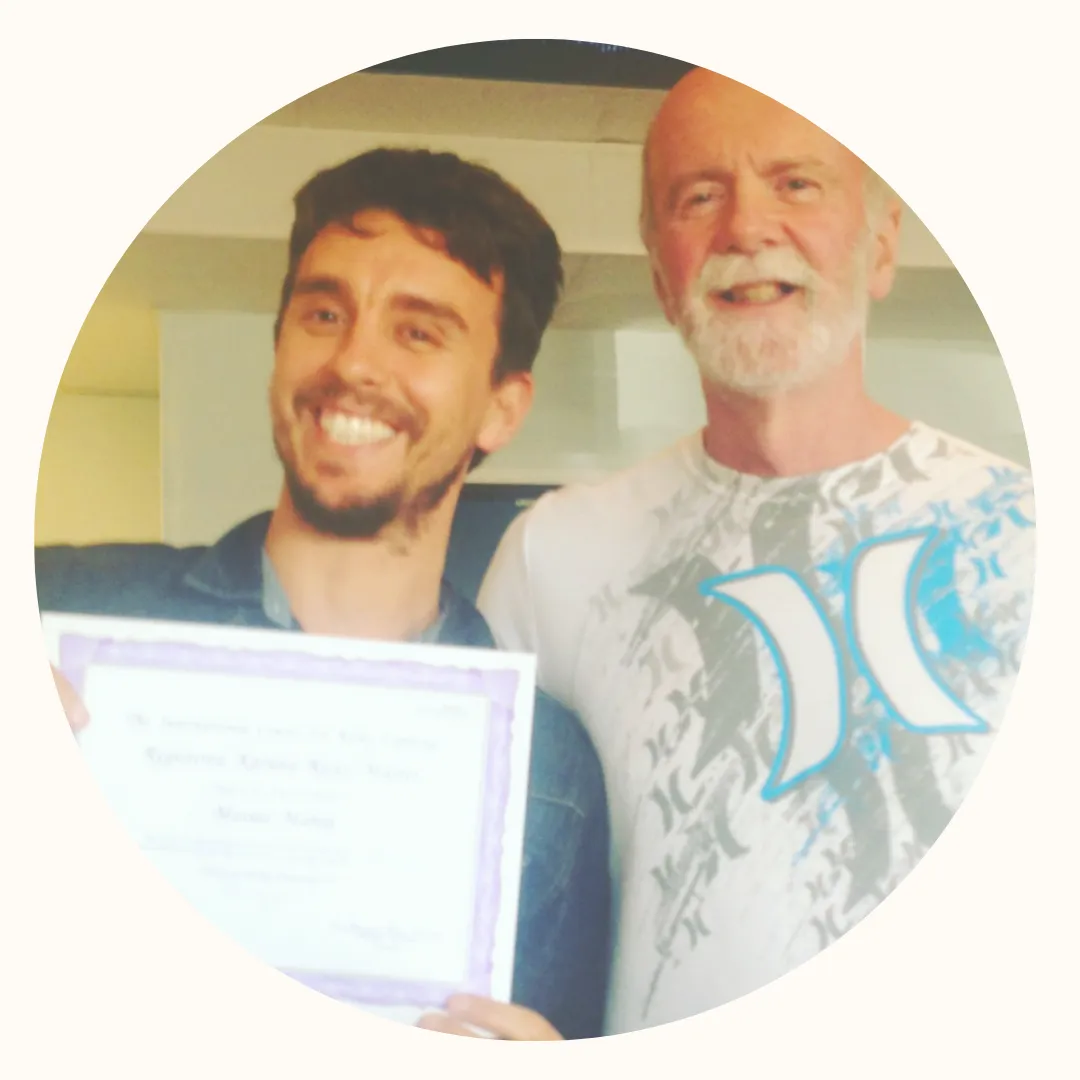
William Lee Rand

Karuna lineage

William Lee Rand

Founder of the Karuna Reiki® method.

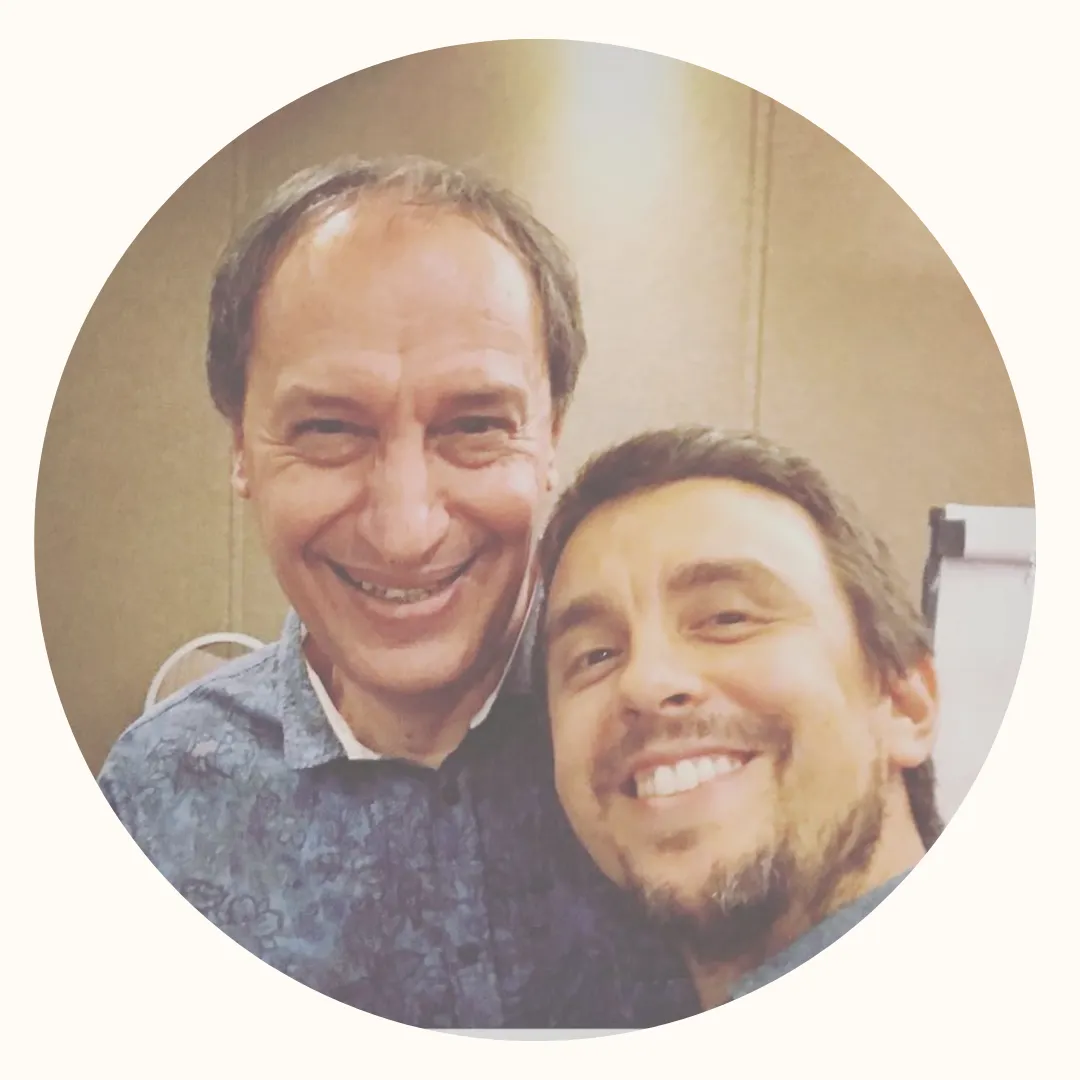
Claudio Marquez

Traditional lineage

Claudio Marquez

Argentine Association of Traditional Reiki.

If you want to get initiated

Explore the Reiki trainings.

We certify in seven methods —Traditional, Karuna, Satori, Jin Kei Do, Buddho, Egyptian and Shamanic— from entry levels to their Masteries. Pre-recorded trainings to take online at your own pace, live virtual trainings, and in-person trainings with internationally endorsed initiations.

源 · The Japanese origin of the method →